Furolog
How many minutes in the sauna? The standard answer, and the better one
Six to twelve minutes is what every guide says. It is a fine starting point and a poor rule, because the room changes and the number does not. What the minutes are for, when to ignore them, and how to leave by heart rate instead.
Updated September 4, 2026
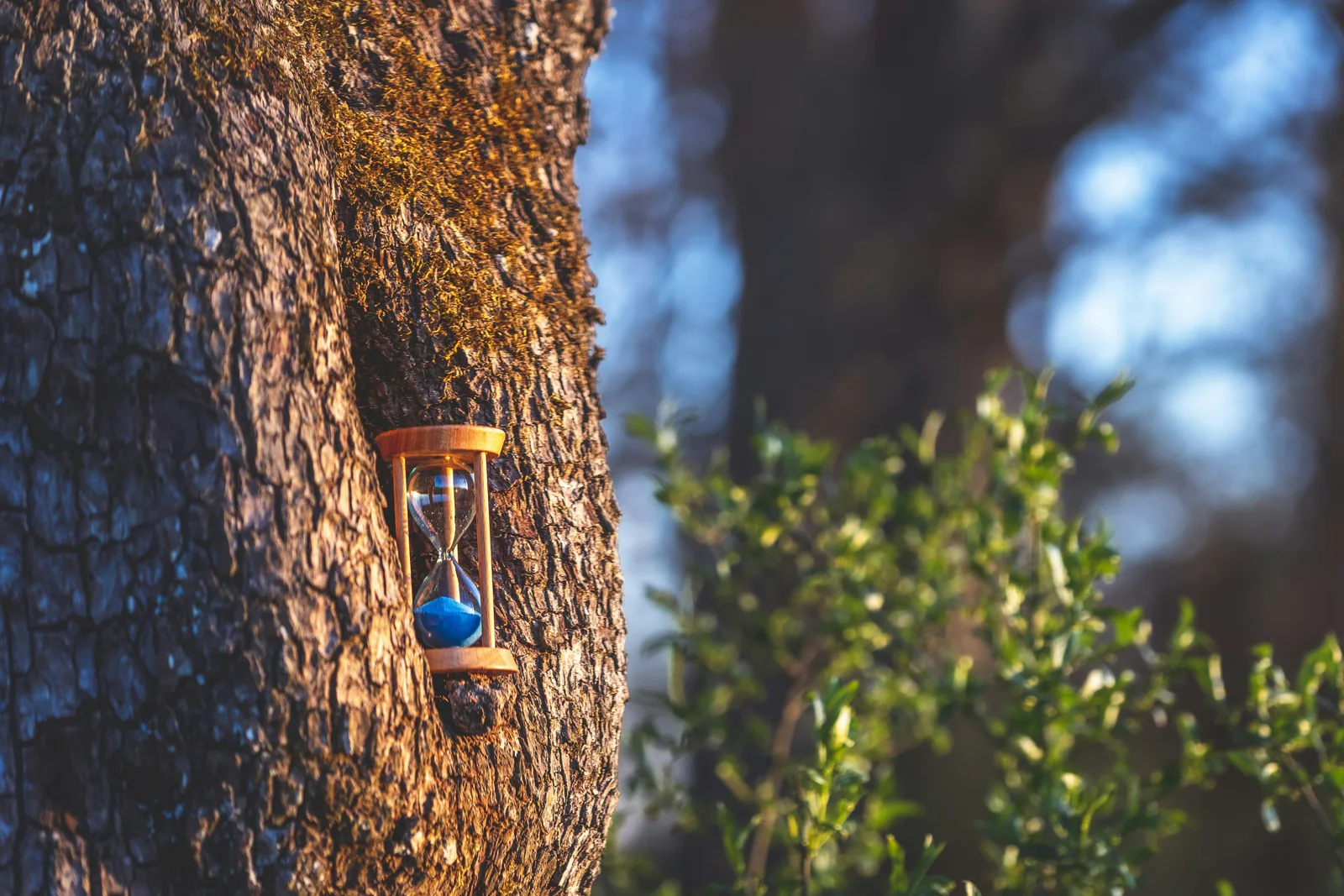
There is a sand timer on the wall of most Japanese saunas, and it is twelve minutes long. That number has done more to shape how people use a sauna than any piece of research, and it is not a bad number. It is just not your number.
The short answer: in a typical 80 to 95°C dry sauna, 5 to 8 minutes a round if you are new, 8 to 12 if you are used to it, and 15 minutes as a ceiling for anyone. Those are the figures on most facility signs and in most guides, not a medical limit. A better exit signal is your heart rate, which rises with the heat the whole time you are in the room, and dizziness, nausea, or sweat stopping means out now regardless of any number.
How many minutes should you stay in a sauna?
| Level | Per round | Rounds |
|---|---|---|
| First time | 5 to 6 minutes | 2 |
| Beginner | 6 to 8 minutes | 2 to 3 |
| Regular | 8 to 12 minutes | 3 |
| Ceiling for anyone | 15 minutes |
That is what most facility signage and most sauna guides agree on, and it works for a typical 80 to 95°C dry sauna with the bather on the middle bench. Japan's Consumer Affairs Agency notes that most sauna rooms in Japan are set somewhere between 50 and 100°C, so check the thermometer before you trust the table. The Finnish Sauna Society publishes etiquette and safety guidance rather than minute counts; Finnish practice is to stay as long as feels good, in a room the Society recommends keeping at 80 to 100°C. Start at the low end, do two rounds, and see how you feel the next morning before adding time or a third round. Nobody has ever regretted a short first session.
What the minutes are for
The round is not a test of endurance. The point is to raise skin blood flow and core temperature enough to set off everything that comes afterwards: the sweat, the drop in the cold water, the rebound during rest. Once that has happened, more time in the heat adds dehydration and heat strain without adding benefit. In our own logs the steepest part of the heart rate climb is usually over well before the sand runs out, and the last minutes of a twelve minute round are mostly about the timer.
Why the same minutes are not the same round
Ten minutes is a very different dose depending on where you are sitting and what the room is doing:
- Bench. The top bench is roughly 20°C hotter than the bottom one: the Japan Sauna and Spa Association textbook puts head height at about 90°C on the upper bench and about 70°C on the lower one in the same room. Ten minutes on top is closer to fifteen below.
- Löyly. One ladle of water on the stones and the felt heat jumps for a minute or two. An auto-löyly every fifteen minutes changes a room completely. The löyly post has the details.
- Humidity. A wet 80°C room feels hotter than a dry 100°C one, because sweat stops evaporating.
- Temperature. In a 2024 study of 22 women, 20 minutes at 80°C improved mood and was well tolerated, while the same 20 minutes at 120°C worsened mood and some participants fainted. The authors recommend 80°C for people who use the sauna only occasionally.
- Which round. The second round starts with your core already warm. In a 4 × 10 minute protocol at 90°C with five minute breaks, heart rate climbed round after round, so the same minutes are a bigger dose each time.
- You. Hydration, sleep, alcohol last night, a cold coming on. The room does not know, but your heart rate does.
This is the problem with a fixed number: the only thing it measures is the sand.
The better rule: leave by heart rate
Your heart rate is the body's own summary of all of those variables at once. It rises in the heat because the blood vessels in your skin open up and the heart has to pump faster to keep blood pressure steady, and it rises further the hotter and longer the round is. A 2019 study of 19 healthy adults sitting 25 minutes at 93°C found heart rate and blood pressure rising progressively the whole time, with a cardiac load equal to cycling at about 60 to 100 watts.
Two versions of the rule, simple and personal:
The simple one, a common Japanese rule of thumb: leave when your heart rate reaches about twice your resting rate. Resting 60, leave around 120. It is widely repeated on Japanese sauna sites, but we have not found it in any association's published guidance, so treat it as folk wisdom rather than a standard.
A personal reference point, which Furolog can alert on: 75% of your heart rate reserve, the gap between resting and maximum, in the Karvonen sense. Because it adapts to your inputs, it can be more informative than one fixed bpm value. It is still a product threshold, not proof that a round is complete or safe. Treat the tap as a prompt to check your symptoms and comfort. The full arithmetic is in sauna heart rate: what is normal.
Keep the clock as a ceiling. Fifteen minutes is a sensible maximum even if you are still below the line, because dehydration grows with time regardless of pulse.
What it looks like on a chart
A round leaving by heart rate has a recognisable shape. A gradual climb from resting for the first two or three minutes, a steeper climb as the skin vessels open, sometimes a small bump when someone throws löyly, and then the alert. Leave then and the drop in the cold water is sharp and the recovery afterwards is clean.
Stay past the alert and the chart shows it: the line keeps rising, flattens near your maximum, and the recovery in the rest period afterwards is slower and shallower. That slow recovery is the cost of the extra minutes, and it is the reason the third round after a long second one often feels like nothing.
Leave early regardless of the number
Dizziness, nausea, a headache, a pounding you can feel in your neck, or the sweat suddenly stopping. Any of those means out now, not at the timer and not at the alert. Sit down outside, drink water, and skip the cold plunge until you feel normal. The list of people who should be more careful than this is in who should skip the sauna.
The whole cycle
The sauna minutes are one third of the question. The cold plunge and the rest have their own answers, in cold plunge: how long and what temperature and how long to rest after the sauna. If this is your first visit, start with the beginner's guide, which walks through all three in order.
Read next: Sauna heart rate: what is normal · How long in the sauna, cold plunge, and rest · What your heart rate does when you totonou
Sources
- Ketelhut S, Ketelhut RG. "The blood pressure and heart rate during sauna bath correspond to cardiac responses during submaximal dynamic exercise." Complement Ther Med. 2019;44:218-222. https://doi.org/10.1016/j.ctim.2019.05.002
- Podstawski R, et al. "The influence of extreme thermal stress on the physiological and psychological characteristics of young women who sporadically use the sauna." Front Public Health. 2024;11:1303804. https://doi.org/10.3389/fpubh.2023.1303804
- Podstawski R, et al. "Correlations between repeated use of dry sauna for 4 x 10 minutes, physiological parameters, anthropometric features, and body composition in young sedentary and overweight men." Biomed Res Int. 2019;2019:7535140. https://doi.org/10.1155/2019/7535140
- Karvonen MJ, Kentala E, Mustala O. "The effects of training on heart rate: a longitudinal study." Ann Med Exp Biol Fenn. 1957;35(3):307-315. https://pubmed.ncbi.nlm.nih.gov/13470504/
- Consumer Affairs Agency of Japan. "サウナ浴での事故に注意" News release, 5 Jun 2024. https://www.caa.go.jp/notice/entry/038208/
- Japan Sauna & Spa Association (公益社団法人日本サウナ・スパ協会). https://www.sauna.or.jp/
- Finnish Sauna Society. "Guidelines for bathing in the sauna." https://sauna.fi/en/sauna-knowledge/guidelines-for-bathing-in-the-sauna/
- Norros M. "Bare facts of the sauna." thisisFINLAND. https://finland.fi/life-society/bare-facts-of-the-sauna/
Quick answer
- Standard: 6 to 8 minutes for beginners, 8 to 12 for regulars, 15 as a ceiling for anyone. Facility signage and common guides, not a medical limit.
- Better: leave when your heart rate reaches about twice resting (a common rule of thumb), or at 75% of heart rate reserve if you track it. Use the clock as a ceiling only.
- Why: bench, löyly, humidity, temperature, and which round you are on all change the dose. The timer measures none of them.
- Regardless: dizzy, sick, or sweat stops means out now.