Furolog
Onsen etiquette for your first visit: the rules, the reasons, and the things nobody will tell you
Wash before you get in, keep the towel out of the water, tie your hair up, know the tattoo situation before you arrive. Every rule of the Japanese hot spring in order, with the reason behind each, and a note on the watch.
Updated September 4, 2026
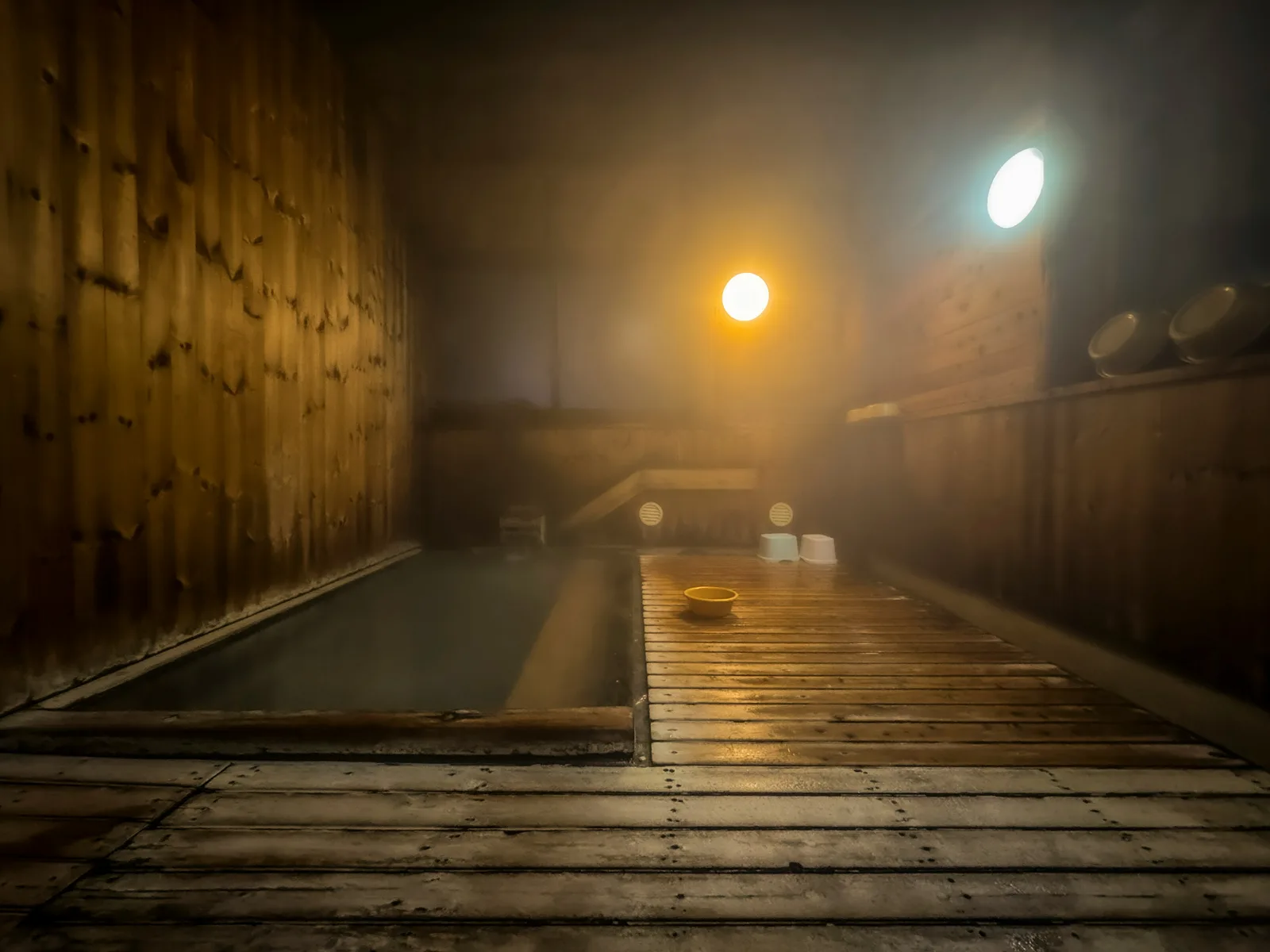
The rules of an onsen are not complicated, but they are unwritten, and a first visit is mostly the fear of doing the one thing everyone else knows not to do. Here is the whole visit, from the door to the changing room afterwards, with the reason behind every rule, because the reasons are what make them easy to remember.
The short version: wash and rinse completely at the washing stations before you get in, keep the small towel out of the water, tie long hair up, and pour bath water over yourself (かけ湯) before easing in. Swimsuits are not worn, phones stay in the locker, and tattoos may be refused, so check the policy before you travel. Keep each soak to about ten minutes, and skip the bath entirely after alcohol.
Before you go
Tattoos. Many onsen still refuse them, some allow small ones under a cover seal, and a growing number do not care. Check the facility's website or call. If you have large tattoos and do not want to gamble, look for a private bath (貸切風呂, kashikiri) or a tattoo-friendly listing. This is the one rule that can end the visit at the door, so it goes first.
Bring. A small towel (the facility usually sells one for a couple of hundred yen if you forget), a hair tie, and coins for the locker. Nothing else is needed, and nothing else comes into the bath.
Skip it if you have been drinking, have just eaten a large meal, or feel unwell. Hot water and alcohol together is the combination that hurts people, and bathing straight after a meal, after drinking, or after taking medication is on the Consumer Affairs Agency's list of things to avoid. The health side is in who should skip the sauna, and the same list applies here.
The changing room
Shoes come off at the entrance, into a shoe locker. Men and women separate at the noren curtains: blue or 男 for men, red or 女 for women. Some facilities swap the baths between the sexes by day or time, so read the curtain, not your memory.
Undress completely. Swimsuits are not worn in an onsen, and there is no version of this rule that bends. Clothes and the big towel go in the basket or locker. The small towel comes with you.
What is the most important onsen rule? Wash first
This is the rule that matters most. The bath water is shared, and everybody in it has washed before getting in. Sit on one of the stools at the washing stations, use the shower or the bucket, and soap and rinse everything, hair included. Rinse the stool and the bucket when you are done and leave them as you found them.
The reason is not only hygiene. The bath is not for getting clean. It is for soaking, once you are clean. Washing first is what makes the water something everyone can share.
Getting in
Pour a few scoops of bath water over yourself from the feet up, かけ湯. It rinses the last of the soap and, more importantly, it lets your body meet the temperature gradually. Onsen water is usually hotter than a bath at home, 41 to 43°C in most of the baths we log, and stepping straight in is how people faint: hot water drops blood pressure fast, and a review of Japanese-style bathing names that drop, on top of the rise a cold changing room causes, as the mechanism behind fainting and drowning in the bath. The physiology of that is in heat shock in the bath.
Go in slowly. If it is very hot, sit on the edge with your legs in for a minute first. Nobody is watching and nobody minds.
In the bath
The small towel stays out of the water. Fold it on your head, or leave it on the edge. It has soap in it, and it is the one visible sign of someone who did not read this post.
Hair up. Long hair stays out of the water, tied or under the towel.
Quiet. Talking is fine at a low volume. Splashing, swimming, and phones are not. The bath is a quiet place in the same way a library is.
Do not stay too long. The Consumer Affairs Agency's guidance is water at 41°C or below and about ten minutes in it, so ten minutes in a 42°C onsen bath is a full dose. Get out, cool down on the edge or in the outdoor air, go back in if you want. The heart rate rule for this is in how many minutes in the sauna, and it applies to hot water almost unchanged: leave when your pulse is up and you feel warm through, not when the clock says.
Watch for the signs. Dizziness on standing, a pounding heartbeat, feeling sick. Out, sit, water.
Getting out
Traditional advice says not to rinse off, so the minerals stay on the skin. That is fine at most springs. At acidic or strongly sulfurous ones, rinse with fresh water, and rinse anyway if your skin is sensitive. Wring out the small towel and wipe yourself down before the changing room, so the floor there stays dry.
Drink water. You have sweated more than you noticed. A bottle of milk from the fridge by the exit is a custom, not a rule, but it is a good one.
The watch
If you wear an Apple Watch, the water is inside what it handles, but the rules above change one thing: it goes under the shower and the soap at the washing station, and Apple's guidance is to keep the watch away from soap and to rinse it in fresh water and dry it if it does get exposed. Sulfur and acidic springs are the ones to be careful with. The full story is in Apple Watch in an onsen, and the spring types that matter are in onsen spring types explained.
Read next: Onsen vs sento: what is the difference · Apple Watch in an onsen · Heat shock in the bath
Sources
- Consumer Affairs Agency of Japan. "冬季に多発する高齢者の入浴中の事故に御注意ください!" News release, 19 Nov 2020.
- Tochihara Y. "A review of Japanese-style bathing: its demerits and merits." J Physiol Anthropol. 2022;41:5.
- Apple Support. "About Apple Watch water resistance."
Quick answer
- Before: check the tattoo policy, bring a small towel and a hair tie, no alcohol.
- Then: undress completely, wash and rinse everything at the stations, かけ湯 from the feet up.
- In: towel out of the water, hair up, quiet, ten minutes at a time.
- After: wipe down before the changing room, drink water, rinse the watch.